So you wanna make an indie film....ADR (last
blog / next blog) So you've put your film together, and you realize that some of your dialogue has some issues. Perhaps your script made sense on paper and on set, but now that you've cut it you realize that there are some lines missing. You need to add a line here or there, to clarify something or add emotional weight to a scene. Or perhaps you had a shooting day with difficult audio conditions (i.e. in a wind storm, near a construction site or airport, etc) and the dialogue you recorded on the shoot is not usable.
This is where ADR (Additional Dialogue Recording or Automated Dialogue Replacement) comes in. What you are trying to do with ADR is match the actor's performance as closely as possible. As a director, put yourself back in the scene when you shot it. What were you telling the actors? How were you approaching the scene? This kind of mind-set can help you (and the actors) get the best ADR performances. ADR can be challenging for an actor – on set, an actor gets into a groove and rhythm, with the part and the shoot as a whole. ADR happens months, sometimes years after the shoot. You want your actor to feel comfortable and confident in the role, so do whatever you can to get them back to where they were when you filmed it.
ADR might seem like extra work, but it can be a very important part of post-production, and it makes a big difference with your finished film. 
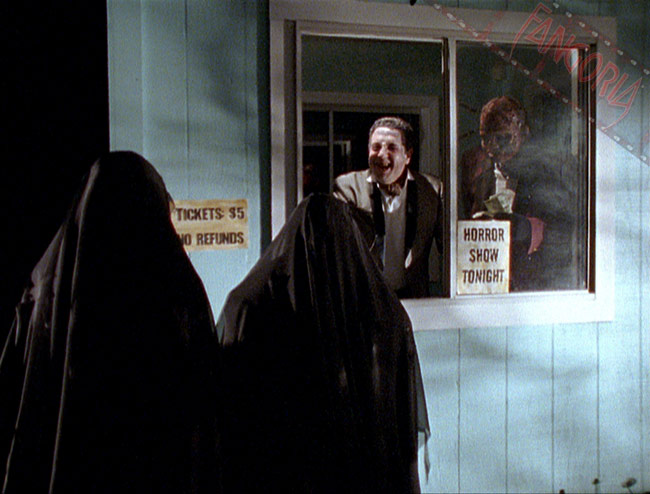
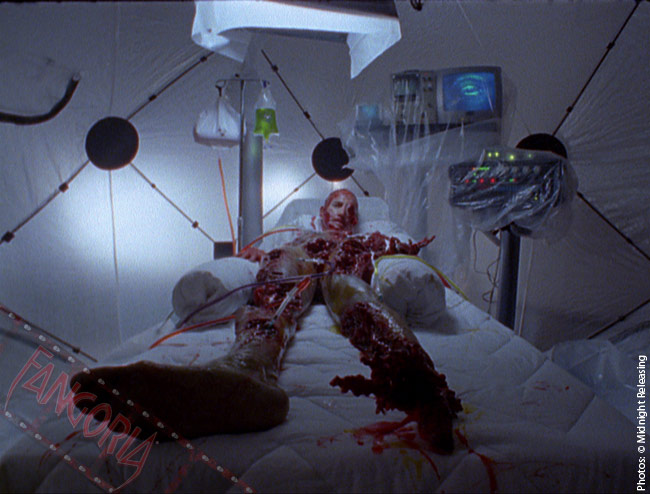
 What they are saying about the Drive-In Horrorshow.... "10 out of 10" "Drive-In Horrorshow delivers a visual feast of blood splatter
and clever storytelling." "Drive-In Horrorshow takes the anthology and juices it fully with five unique stories that range from clever comedy to dark body horror." "A well made anthology of short films." "Highly recommended for those who want to confront the monsters under the bed of their childhood. And as always find them scary." "The general tone of this film struck me, because I've seen real passion for the genre." "This is a high recommend from me, very entertaining and obviously done by filmmakers who love the genre. Long live the horror anthology!" "Drive in Horror Show is–WITHOUT A DOUBT–the greatest horror anthology since George Romero's Creepshow" "I can't stop singing its praises." "If you like horror anthologies pick this one up, there's something for everyone here." "Every now and then a movie will come out that knocks you socks off and with its originality, creativity and magnetic appeal- well Drive in HorrorShow is that flick." "With a solid lineup of 5 stories that range from the serious to seriously goofy, Drive-In Horrorshow is the perfect film for a Friday night. Or any night for that matter." "A tasty little anthology in the vein of Creepshow or Trick 'r
Treat, Drive-In Horrorshow is a nifty treat of a film, well worth checking
out." "A cut above the rest and slice of incredible independent filmmaking." "One of the most entertaining horror anthologies I have seen in
a while." "The horror world is a fickle beast but Drive-In Horror Show manages to walk the lines of the subgenres without missing a beat. It's appeal reaches to horror fans of all types." "Celebrates the long-lost beauty of the drive-in theater and all
its bloody glory." "A slick five tale anthology film that was independently made
and a reminder of cool shit we used to see on late night TV when we
were kids." "A good throw back to the late night creature feature." "Top notch effects that invoke fear and comedy at the same time.
I really really like this movie." "Fantastic." Other Press: "The horror! But that's what he seeks." "What motivated you and Michael Neel to make the transition from
candid interviews and political documentaries to ghoulish gore horror?" "Wowzers! That really sounds like some good shit!"
|
   Web Pages *Home *Trailer *The Horrorshow *Pig *The Closet *Fall Apart *The Meat Man *The Watcher *Credits *The Soundtrack *News/Press *Pix From Fango   DIHS Blog *Blog Home
From the makers of Drive-In Horrorshow
Web Pages |